Building Confidence and Independence
Daily routines are an important part of disability support. Predictable daily structure can reduce anxiety, improve emotional regulation and help people build confidence in everyday activities.
In this article, we explore how routines help people thrive in supported environments such as SIL houses, and how the right daily structure can improve wellbeing, stability and long-term independence.
Why Are Routines Especially Important for Those with Disability?
For many people, routines are simply part of everyday life – waking up, having breakfast, heading to work or school.
But in the disability and mental health space, routines play a far deeper role. The right daily structure can reduce anxiety, build confidence and help people feel more in control of their day.
At For Care, we often see how powerful routine can be. When people have predictable rhythms in their day, they feel more comfortable navigating their environment, trying new things and building independence.
Routine is not about rigid schedules or strict rules. It’s about creating a sense of stability and predictability that helps people feel safe and confident.
And when that stability is in place, people are better able to grow.
Why Do Routines Matter for Mental Wellbeing?
Research in psychology and behavioural science consistently shows that predictability helps regulate stress and anxiety.
When people know what to expect from their day, their brains can relax. The uncertainty that often fuels anxiety is reduced, making it easier to focus, communicate and engage with others.
For people receiving disability support, routine can help with:
- reducing anxiety and overwhelm
- improving emotional regulation
- increasing confidence in daily activities
- building independence and life skills
- creating a sense of safety and familiarity
In many ways, routine acts as a foundation. Once that foundation is in place, people are more able to explore new experiences and develop new skills.
What is the Relationship Behind Routine and Confidence?
Neuropsychology suggests that predictable routines help strengthen executive functioning skills: the brain processes responsible for planning, decision-making and self-regulation.
When tasks happen in a consistent order each day, the brain begins to recognise patterns. This reduces the cognitive effort required to complete activities.
Over time, people become more confident performing these tasks independently.
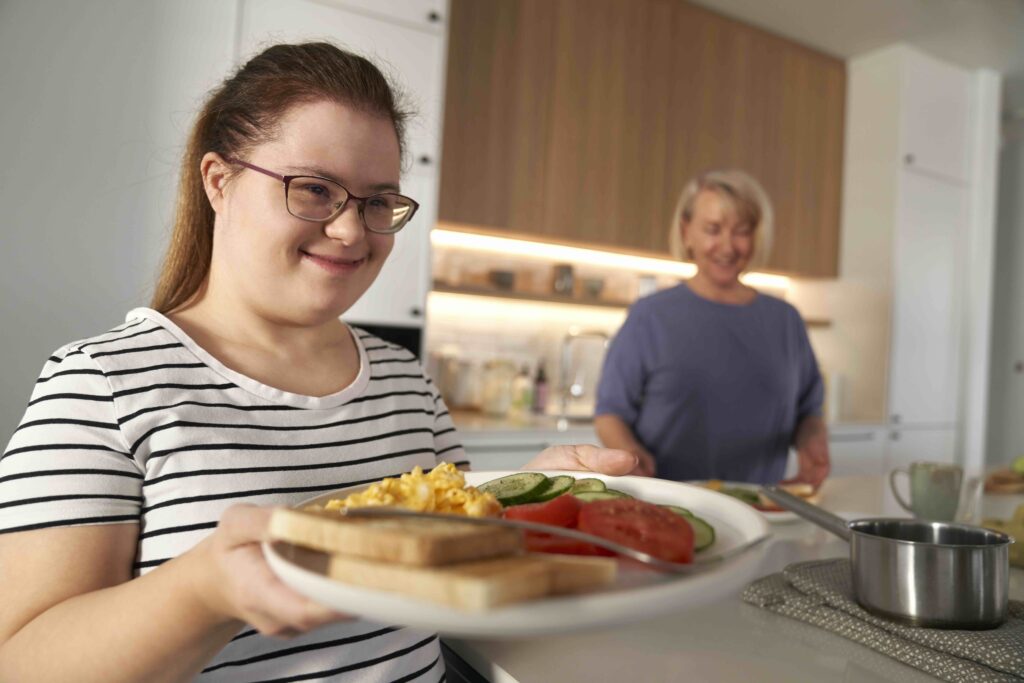
For example, a simple morning routine – waking up, preparing breakfast, getting ready for the day – can gradually become a familiar rhythm that supports independence.
In well-supported environments such as SIL houses, these routines often become part of the household culture, helping everyone feel more settled and comfortable.
Can I Incorporate Routine in Everyday Life?
Routine doesn’t mean every day looks exactly the same. Instead, it creates a framework that helps daily life run smoothly.
A typical day might include familiar anchor points such as:
- morning routines
- meal times
- household responsibilities
- community activities or outings
- relaxation and downtime
These predictable moments provide structure while still allowing flexibility.
For many people receiving disability support, these daily rhythms help create a sense of momentum throughout the day.
Instead of feeling uncertain about what comes next, the day unfolds in a way that feels manageable and familiar.
Why Does Routine Work So Well in Supported Independent Living (SIL) Houses?
Shared living environments such as SIL houses often benefit greatly from clear routines.
When housemates have a general rhythm to the day, such as shared mealtimes, household tasks or evening relaxation, the home becomes more predictable and harmonious.
Routine can support:
- smoother household cooperation
- clearer expectations for shared spaces
- greater independence for participants
- reduced stress within the home
Importantly, routines in SIL houses are not one-size-fits-all. Each participant has their own preferences, interests and support needs.
A thoughtful NDIS provider works with participants to create routines that reflect their individual goals and lifestyle.
Building Routine With the Right Support
Creating a healthy routine takes time, patience and the right support.
The goal is not to impose a strict schedule but to build habits gradually, in ways that feel natural and empowering.
As an experienced NDIS provider, For Care helps participants identify routines that support their goals, whether that’s developing life skills, building confidence in daily tasks or increasing community participation.
Small routines often become the building blocks of independence.
Preparing a meal, managing personal care, attending community activities, or simply maintaining a regular sleep schedule can all play an important role in long-term wellbeing.
Over time, these habits create a rhythm that helps people feel capable and confident in their everyday lives.
Building Confidence Through Routine
When Sam* first moved into one of our SIL houses, mornings were often overwhelming. Without a clear routine, the start of the day could feel stressful and unpredictable.
Together with the support team, Sam gradually built a simple morning rhythm: wake up, make breakfast, get ready for the day, and head out for a short walk.
At first, the steps required guidance and reminders.
But over time, the routine became familiar.
Today, Sam completes most of the morning routine independently, and often encourages housemates to join the morning walk.
What started as a simple structure has grown into a daily routine that builds confidence and independence.
Finding Balance: Routine With Flexibility
While routine is powerful, balance is equally important.
Healthy routines should still allow room for choice, spontaneity and personal preferences.
Whether someone enjoys quiet mornings, active afternoons or social evenings, routines should reflect the person, not the other way around.
When routines are personalised, they become supportive rather than restrictive.
And that’s where thoughtful disability support makes the difference.
The Role of the Right NDIS Provider
The right NDIS provider understands that routine is not about control – it’s about empowerment.
By helping participants build structure in ways that feel comfortable and meaningful, support teams can help people develop the confidence and independence needed to navigate daily life.
In environments such as SIL houses, this approach creates homes where participants feel settled, capable and supported to achieve their goals.
Because when people feel confident in their daily rhythms, they are better able to focus on what matters most: building skills, forming relationships and enjoying life.
Disability Support in Brisbane and Toowoomba
At For Care, we support participants across these communities through personalised support services and carefully considered SIL housing environments that promote independence and stability.
By focusing on routines, compatibility and participant-led goals, we help create homes where people can develop confidence and build the life they want.
A Simple Framework for Building Daily Routines
Building a routine doesn’t need to happen all at once. In fact, the most successful routines often start with just a few consistent anchor points in the day.
Our For Care support teams use a simple three-stage approach:
1. Start With Anchors
Anchor points are predictable parts of the day that rarely change, such as:
- waking up
- meals
- leaving the house for activities
- relaxing in the evening
These moments act as the structure around which the rest of the day naturally develops.
2. Build Habits Around These Anchors
Once anchor points are established, small tasks can be added around them.
For example:
Morning anchor: breakfast
Habit added: preparing breakfast independently
Evening anchor: winding down
Habit added: tidying personal space before relaxing
Over time, these habits become familiar and require less prompting.
3. Reinforce Through Consistency
Repetition is key. When activities happen regularly in the same sequence, the brain begins to recognise the pattern.
This helps people feel more confident and reduces the mental effort required to complete tasks.
In disability support environments, these small routines often become the foundation for long-term independence.
FAQs
Why are routines important in disability support?
How do routines help people living in SIL houses?
Providers such as For Care consider lifestyle preferences, routines, communication styles and support needs to ensure compatibility.
Can routines improve independence?
How can an `NDIS provider help build daily routines?
For someone who experiences anxiety, knowing what the day will look like can make a huge difference. Having predictable routines – breakfast at the same time, familiar support staff, regular community activities – can help the day feel manageable rather than overwhelming.