Moving into a Supported Independent Living (SIL) home is a big life transition – whether it’s for yourself or someone you love.
For many people, it can feel exciting, emotional and overwhelming all at once. Questions around comfort, compatibility, independence and support are often front of mind.
At For Care, we believe SIL is about so much more than providing accommodation. It’s about creating a home where people feel safe, respected, comfortable and genuinely supported to live life their way.
Because the right environment can have a huge impact on confidence, wellbeing and quality of life.
What is Supported Independent Living (SIL)?
Supported Independent Living (SIL) provides people with disability the opportunity to live more independently while receiving day-to-day supports tailored to their individual needs.
SIL is commonly delivered in shared homes, where participants live alongside compatible housemates and receive support based on their goals and required care ratios.
At For Care, our SIL homes are thoughtfully designed, well-appointed and conveniently located near shops, services, public transport and community spaces to help residents stay connected to the people and places that matter most.
Why the Home Environment Matters
The environment someone lives in shapes how they feel every single day.
A calm, welcoming and thoughtfully designed home can help people:
- feel emotionally safe
- settle into routines more comfortably
- build confidence and independence
- reduce stress and anxiety
- feel a genuine sense of belonging.
For people moving out of the family home for the first time, or changing providers, the right environment can make the transition significantly smoother and less overwhelming.
More Than Just a House
At For Care, we put a lot of thought into how our homes look, feel and function.
We focus on creating spaces that feel warm, comfortable and homely. Long-term spaces, where eery detail matters, from quality furnishings and comfortable bedding to calming shared spaces and thoughtful décor.
Because everyone deserves to feel proud of where they live.
Making the Space Feel Like Home
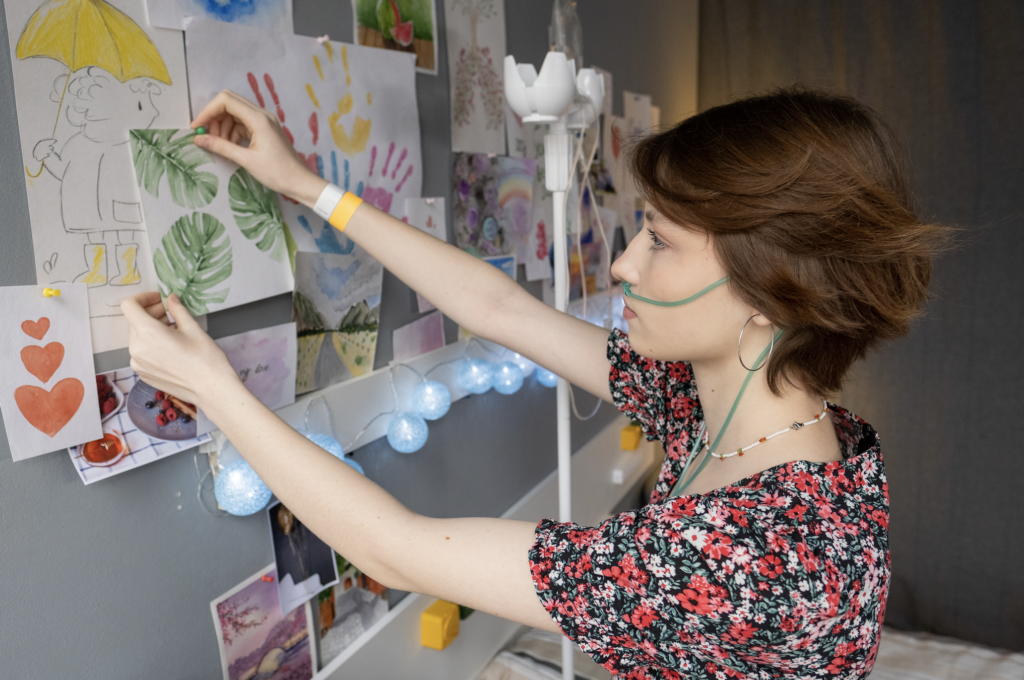
One of the most important parts of settling into a new SIL home is making the space personal.
Personalising a bedroom or living area helps create a stronger sense of ownership, comfort and identity within the home.
Simple touches can help transform a bedroom into a familiar and comforting space, including:
- favourite bedding
- family photos
- artwork
- music
- gaming setups
- comforting scents
- or personal décor.
Supporting Independence Through Environment
The right environment doesn’t just look good – it also supports independence and everyday living skills.
Thoughtful design can empower people to actively participate in everyday life rather than simply receiving support around them.
Functional, predictable and supportive spaces can help residents:
- participate in cooking and meal preparation
- build household routines
- develop budgeting skills
- increase confidence with daily tasks
- feel more in control of their choices and routines.
Accessibility Matters Too
Every person has different physical, sensory and support needs, which means SIL homes should be designed with both comfort and functionality in mind.
Depending on individual needs, this may include:
- accessible bathrooms
- mobility-friendly layouts
- wide doorways
- specialised equipment
- sensory-friendly spaces
- quieter environments.
These practical considerations are incredibly important in ensuring both comfort and high-quality support delivery.
The Importance of Compatibility & Social Connection
Feeling comfortable in a SIL home is also about the people within it.
Living with compatible housemates and having consistent support staff can help create a more relaxed, positive and enjoyable living experience.
At For Care, we carefully consider and match personalities, interests, routines and support needs when supporting shared living arrangements because social connection and emotional safety matter just as much as physical care.
Supporting Smooth Transitions
We understand that transitioning into SIL can feel like a huge step.
Whether someone is moving out of home for the first time, transitioning from hospital to home, or looking for a better provider fit, our team focuses on making the process as smooth, supportive and reassuring as possible.
We take the time to understand what matters most so the transition feels less stressful and more empowering.
Because Dignity Lives in the Details
At the heart of every For Care SIL home is one simple idea: people deserve to feel comfortable, respected and at home in the place they live.
Designing with dignity means creating spaces that are not only safe and practical, but warm, personalised and empowering too.
Because the right environment doesn’t just support daily living – it supports confidence, wellbeing, connection and independence.
If you’d like to learn more about For Care’s Supported Independent Living homes or upcoming SIL vacancies, our team is always happy to chat.
FAQs
What is Supported Independent Living (SIL)?
Supported Independent Living (SIL) is an NDIS support designed to help people with disability live as independently as possible while receiving assistance with everyday tasks such as cooking, cleaning, personal care, routines and community access.
Can I personalise my room in a For Care SIL home?
Absolutely. Personalising a space is an important part of helping a house feel like home. You are encouraged to bring items such as artwork, bedding, photographs, décor and personal belongings that reflect their personality, interests and comfort preferences.
Providers such as For Care consider lifestyle preferences, routines, communication styles and support needs to ensure compatibility.
How are housemates matched in SIL homes?
At For Care, we carefully consider factors such as personalities, routines, interests, communication styles and support needs when matching housemates. Creating compatible living environments is incredibly important for emotional wellbeing and positive day-to-day living experiences.
What if I’m nervous about transitioning into SIL?
Feeling nervous about moving into a SIL home is completely normal, especially during major life changes such as leaving home for the first time. Our team supports participants and families throughout the transition process to help make the experience feel smooth, reassuring and well-supported.
What makes a good SIL home environment?
A good SIL environment should feel safe, welcoming, comfortable and empowering. Beyond practical accessibility needs, things like consistent support staff, quality furnishings, calm shared spaces, social connection and personalised bedrooms all contribute to creating a positive and supportive home environment.