When choosing a disability support provider, one of the most important decisions isn’t just the services being offered, it’s the people delivering them.
A great Disability Support Worker (DSW) can have a life-changing impact on confidence, independence, wellbeing and everyday quality of life. The right support worker doesn’t simply “help” with tasks – they build trust, encourage growth, create meaningful connection and help people feel empowered in their own lives.
Whether you’re looking for support for yourself or someone you love, understanding what makes a great support worker can help you make a more informed and confident choice.
More Than Just Support
Disability support work is incredibly personal.
Support workers are often involved in someone’s home, routines, goals, community access and daily life, which means the relationship between participant and support worker matters enormously.
A great support worker understands that their role is not about taking over – it’s about supporting someone to live life on their own terms while maintaining dignity, choice and independence.
The best support workers know when to step in and provide assistance, and when to step back and empower someone to do things independently.
The Qualities of a Great Disability Support Worker
While every participant is different, there are several key qualities that consistently make amazing support workers stand out.
Empathy & Compassion
A great support worker genuinely cares.
They take the time to understand a person’s individual needs, goals, frustrations and preferences while creating an environment where people feel safe, respected and heard.
Empathy helps build trust and emotional safety – two incredibly important foundations for strong support relationships.
Reliability & Consistency
Reliability is one of the most valuable qualities in a support worker.
Participants and families need to know they can rely on their support team to:
- arrive on time
- communicate clearly
- follow through on commitments
- provide consistent support.
Strong consistency creates stability, routine and reassurance, particularly for participants who thrive on predictability and structure.
Great Communication
Communication is at the heart of quality disability support. Strong communication helps participants feel involved in decisions and respected in their own support journey.
Great support workers actively listen, communicate respectfully and take the time to understand how someone prefers to communicate whether through verbal communication, assistive communication tools, non-verbal cues, or simply taking the time to slow down and listen properly.
Patience & Positivity
Support workers navigate many different situations every day, which means patience is incredibly important.
The best support workers remain calm, adaptable and solution-focused while supporting people through challenges, routines and everyday life.
And sometimes a sense of humour and the ability to laugh together can make all the difference.
Respect for Independence & Choice
A great Disability Support Worker never assumes what someone can or cannot do. Instead, they help increase confidence and capacity.
Instead, they focus on:
- encouraging independence
- supporting goals
- respecting personal choices,
- and empowering people to participate actively in their own lives.
Why Strong Support Relationships Matter
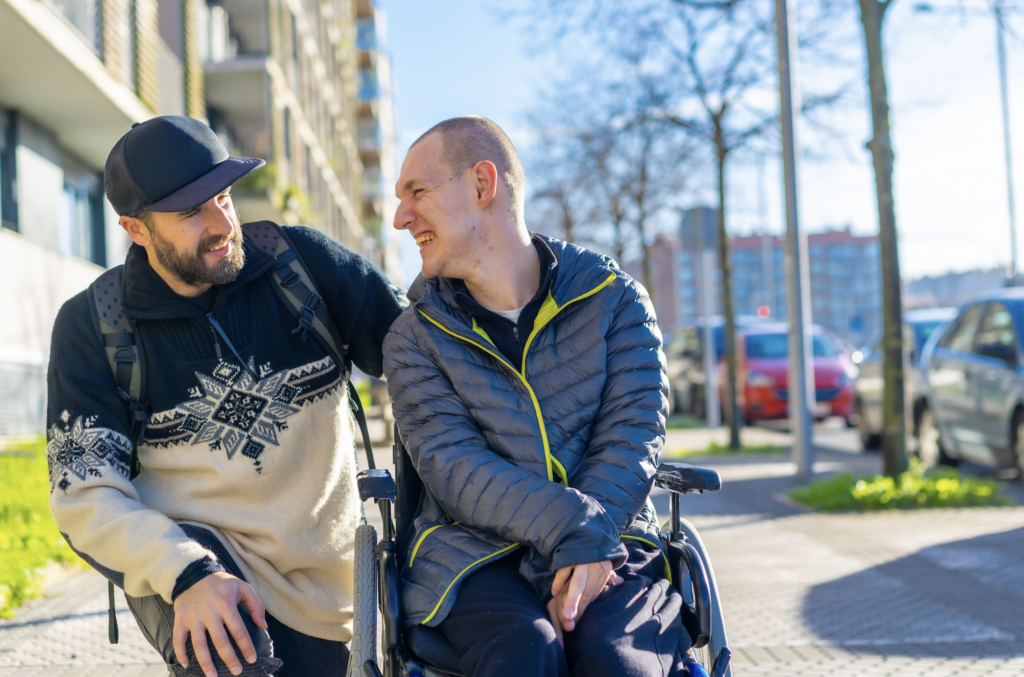
The relationship between a participant and support worker often directly impacts outcomes.
When someone feels comfortable, respected, understood, and emotionally safe, they’re more likely to trust in their support worker, which helps them to:
- build confidence
- engage in community activities
- try new experiences
- develop skills
- achieve personal goals.
What to Look For When Choosing a Disability Support Provider
Finding the right fit matters. When looking for a disability support provider, it’s important to ask meaningful questions about the quality of the support team itself.
Some important things to consider include:
- Are support workers well qualified and trained?
- Does the provider prioritise ongoing training and development for support workers?
- How are participants matched with support workers?
- How are participant rights, choice and control respected?
- How does the provider manage communication and feedback with families?
- How does the provider ensure consistency of support for participants?
Your Trusted Support Team at For Care
At For Care, we understand that inviting a support team into your life or home requires enormous trust.
That’s why we place a strong focus on recruiting compassionate, skilled and highly trained Disability Support Workers who genuinely care about creating positive outcomes for participants. Because great support starts with great people.
Every For Care support worker:
- undergoes a police background check
- holds (or is actively working toward) relevant qualifications such as a Certificate III or IV in Individual Support
- and receives ongoing specialised training and professional development.
Many of our team members also hold higher tertiary qualifications and extensive industry experience.
We also place a strong focus on:
- participant rights
- dignity
- choice and control
- person-centred care
- and ongoing upskilling to ensure participants receive high-quality support they can trust.
The Right Fit Matters
Not every support worker will be the perfect fit for every person. A quality provider understands the importance of compatibility and works collaboratively to ensure participants feel comfortable, respected and genuinely supported.
Personality, communication style, interests and comfort all play a role in building strong support relationships.
Contact us
If you’re looking for compassionate, experienced and highly trained Disability Support Workers who genuinely care about creating positive outcomes, the For Care team is here to help. Contact us today to learn more about our personalised disability support services and how we can help you or your loved one feel confident, supported and empowered every step of the way.
FAQs
What qualifications should a Disability Support Worker have?
Many Disability Support Workers hold qualifications such as a Certificate III or IV in Individual Support or Disability Support. It’s also important that support workers receive ongoing training and development to maintain high-quality care practices.
How do I know if a support worker is the right fit?
The right support worker should make you feel comfortable, respected, listened to and supported. Compatibility matters, so it’s important to consider communication style, personality, reliability and whether the relationship feels safe and positive.
Providers such as For Care consider lifestyle preferences, routines, communication styles and support needs to ensure compatibility.
What should I ask a disability support provider before choosing them?
Some helpful questions include:
– How are support workers matched to participants?
– What qualifications and training do staff have?
– How do you handle feedback or concerns?
– How do you ensure consistency of support?
– What experience do your team have supporting people with similar needs?
What if I don’t mesh well with my support worker?
That’s completely okay, not every match will be the right fit. A good provider understands the importance of compatibility and should work with you to find a support worker who better suits your personality, communication style and support preferences. You should always feel comfortable speaking up if something doesn’t feel right.
Why are strong support worker relationships so important?
Strong relationships help build trust, confidence, emotional safety and consistency. When participants feel genuinely supported and understood, they’re often more confident in working toward goals, engaging socially, building independence and participating in everyday life.